Get a Free Tree Service Estimate
Address Dangerous Trees With Hazardous Tree Removal in Acworth, GA
Many trees that threaten homes and properties do not look dangerous at first glance. A tree may still have green leaves, appear upright, and blend naturally into the landscape, yet hide serious structural issues below the surface. Internal decay, compromised root systems, cracked trunks, and heavy lean can develop slowly over time. Homeowners often become aware of these problems only after noticing subtle changes, such as soil lifting near the base, branches dropping unexpectedly, or the tree shifting after heavy rain. Without hazardous tree removal, these hidden risks can continue to grow unnoticed.
When a hazardous tree is left in place, the potential consequences increase with each passing season. A tree with weakened roots may topple during moderate wind rather than extreme storms. Cracks within the trunk can expand under stress, causing large sections to fail without warning. Trees leaning toward homes, garages, or high-traffic areas place constant pressure on surrounding soil and root systems. These conditions can lead to sudden failure that damages structures, blocks access, or creates unsafe conditions for residents and visitors.
Hazardous tree removal provides a proactive solution to these risks. At HS Tree Service, we provide hazardous tree removal in Acworth, GA with a focus on identifying real threats and addressing them before failure occurs. Our process begins with a careful assessment of the tree’s structure, lean, root condition, and surrounding environment. By removing only trees that present genuine risk, we help protect homes while preserving the natural character of the property whenever possible.
Identifying and Removing High Risk Trees
Hazardous tree removal starts with understanding what makes a tree unsafe. Not all problem trees are obvious, which is why experience and careful observation play a key role. Signs such as visible cracks, hollow sections, fungal growth near the base, and excessive lean often indicate deeper structural issues. Root damage caused by erosion, construction, or saturated soil can further compromise stability, even if the tree canopy appears healthy.
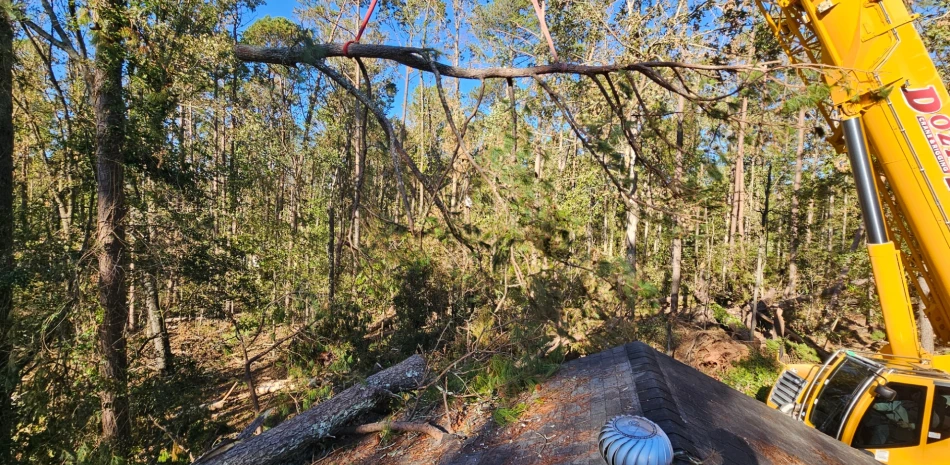
Once a tree is identified as hazardous, the removal plan is tailored to the specific conditions of the site. Trees that are too unstable to climb safely may require bucket truck access or crane-assisted removal. These methods allow sections of the tree to be lifted away in a controlled manner rather than dropped. For trees near homes or driveways, sectional dismantling helps protect structures and limits ground impact. Each cut is planned to manage weight distribution and reduce movement as the tree is taken down.
Ground equipment also plays a critical role in hazardous tree removal. Skid steers, dump trailers, and heavy-duty trucks are used to manage debris efficiently and keep the work area organized. This approach reduces the time hazards remain on site and helps restore the property quickly. Safety protocols are followed throughout the process to protect both the crew and the surrounding environment.
Key Features of Hazardous Tree Removal:
- Risk Evaluation: Trees are assessed for decay, lean, root instability, and structural weakness.
- Controlled Removal Methods: Bucket trucks and cranes are used when climbing is unsafe.
- Targeted Approach: Only trees that present real danger are removed.
- Efficient Cleanup: Debris is managed promptly to restore safe use of the property.
Removing hazardous trees also supports long-term property care. Eliminating unstable trees reduces ongoing risk and allows healthier trees to thrive without competition for resources. This selective approach helps maintain wooded properties without unnecessary clearing, preserving both safety and appearance.
Call for Hazardous Tree Removal Before Failure Occurs
Knowing when to call for hazardous tree removal can prevent sudden and costly damage. Trees that lean toward structures, show signs of decay, or have experienced recent ground movement should be evaluated sooner rather than later. Waiting until a tree fails often leads to emergency situations that are more complex and stressful to resolve. Addressing hazards early allows for safer working conditions and more controlled outcomes.
Our approach to hazardous tree removal is built on clear communication and honest recommendations. We take the time to explain why a tree is considered unsafe, what removal will involve, and how the property will be protected throughout the process. Because you work directly with the owner, decisions are based on actual conditions rather than assumptions. This helps homeowners feel confident that only necessary work is being performed.
Hazardous tree removal is especially important for properties with mature trees near homes, play areas, or frequently used spaces. Even trees that have stood for decades can develop internal issues that make them vulnerable to failure. Regular evaluation and selective removal help maintain a safer environment for families, pets, and visitors while preserving the natural setting of the property.
When you need hazardous tree removal in Acworth, GA, dependable service and thoughtful planning matter. By addressing risks before failure occurs, you can protect your home, reduce future costs, and maintain a property that remains both safe and enjoyable. Calling for hazardous tree removal at the right time helps ensure long-term stability and security for homeowners.
Tree Services
Discuss your tree concerns with a local team focused on safe and reliable solutions.
Frequently Asked Questions About Hazardous Tree Removal
-
A tree is considered hazardous when it shows signs of structural instability such as decay, severe lean, root damage, or cracking that increases the risk of failure.
-
Yes, trees can have internal decay or root issues that are not visible externally, making professional evaluation important.
-
In many cases, removal is the safest option. Trimming cannot correct major structural or root problems that threaten stability.
-
Yes, hazardous removals often require specialized equipment and techniques due to instability and proximity to structures.
-
Removal should be scheduled as soon as a tree shows signs of instability or after events that may have compromised its structure.